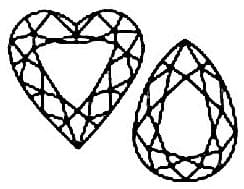
Diamonds are renowned for their ability to transmit light and sparkle so intensely. We often think of a diamond cut as a shape (round, heart, oval, marquise, pear), but what a diamond cut really means is how well a diamond’s facets interact with light. Precise craftsmanship and craftsmanship are required to shape a stone so that its proportions, symmetry and polish provide the magnificent return of light possible only in a diamond.
Getting the best cut for a diamond is reflected in the ultimate beauty and value of the stone. And of all the 4C diamonds, it is the most complex and technically difficult to analyse. To determine the cut grade of the standard round brilliant diamond – the shape that dominates most diamond jewellery. These proportions make it possible to assess the best cut for a diamond by studying how successfully a diamond interacts with light to create desired visual effects such as:
- Luminosity: internal and external white light reflected by a diamond
- Fire: Scattering white light into all the colours of the rainbow
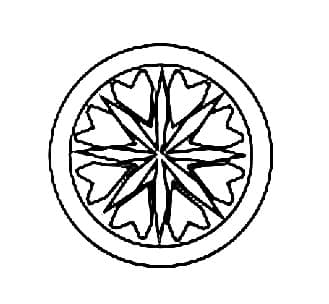
- Scintillation: The amount of sparkle a diamond produces and the pattern of light and dark areas caused by reflections in the diamond
Currently, the cut grade only applies to round diamonds, as they are technically easier to measure in terms of light performance. Other shapes – such as princess cuts, cushion cuts, emerald shapes, do not have a cut classification on the certificate, but LV’57DIAMONDS provides an estimated cut classification based on equivalent parameters.
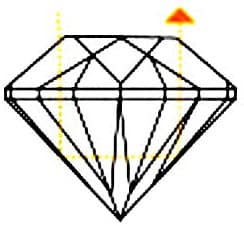
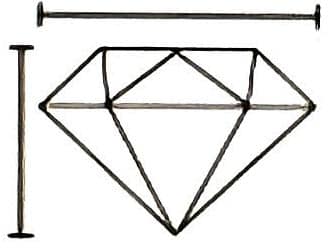
Cut off grades range from Excellent, Very Good, Good, Fair and Poor. Grading takes into account various attributes of the diamond that cannot be seen or measured by the untrained eye. Excellent levelling of the cut will have the best light performance, influenced mainly by the relationship between the surface tables and the depth of the diamond (not too deep or too shallow).
It is very difficult to see the difference between an excellent cut diamond and a very good one because the direction of light is the same in both cut grades. Therefore, we recommend that you try to stick with an excellent or very good cut, but if necessary to fit the budget, a good cut can provide an excellent value alternative without major compromises. Just make sure you’re not on the “deep” side or you’ll end up with a diamond that appears smaller than its actual carat weight.